
E. James Smith, un veterano cineasta con base en Nueva York con décadas de experiencia produciendo contenido de video documental para empresas globales como Goldman Sachs y MetLife, recientemente cambió su enfoque. En 2025, pasó de la producción de video tradicional a dominar flujos de trabajo profesionales de lapso de tiempo a largo plazo. James’ Time-Lapse Now: https://www.time-lapsenow.com/

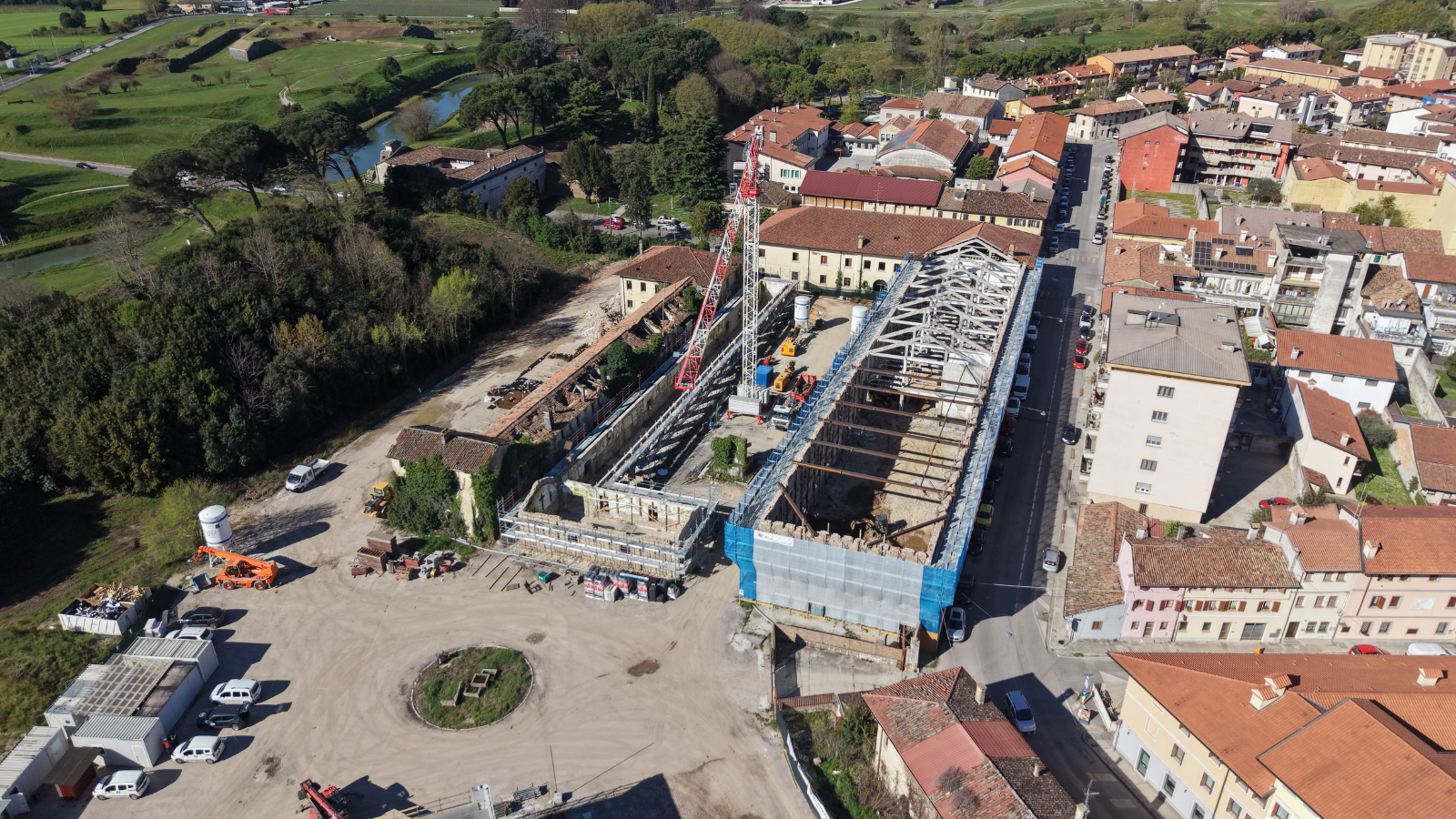
¿Su proyecto emblemático? Una renovación histórica de alto riesgo de tres meses del santuario de una sinagoga en Short Hills, Nueva Jersey. Para asegurar la fiabilidad en 4K y resultados de calidad profesional, James recurrió al Brinno BCC5000.
El desafío: Por qué las cámaras de acción y las DSLR fallan para construcciones a largo plazo
¿Cuáles fueron los desafíos de la fotografía de lapso de tiempo antes de usar Brinno?
Antes de encontrar las soluciones dedicadas de Brinno, mis configuraciones eran a menudo frágiles y de baja resolución. Mi primera experiencia con este trabajo involucró un proyecto de rascacielos para Goldman Sachs. Usé un sistema de cámaras de seguridad conectado a una computadora que guardaba JPEGs individuales. Fue una pesadilla construir el video manualmente en Final Cut Pro, especialmente cuando el equipo en el sitio olvidaba encender el sistema, dejando grandes huecos en mi metraje.
Superando limitaciones técnicas en proyectos de Manhattan
Más tarde, experimenté con cámaras de acción para proyectos más cortos en el barrio Chelsea de Manhattan, pero me encontré con tres grandes 'obstáculos':
-
Sobrecalentamiento durante grabaciones de larga duración.
-
Duración de la batería limitaciones que interrumpían la historia.
-
Un efecto distorsionado de lente 'ojo de pez' que parecía poco profesional para sujetos arquitectónicos.
🔼🔼El metraje proviene de 2001, hace más de 20 años, cuando James hizo su primer proyecto de lapso de tiempo de construcción.🔼🔼
La solución: Implementar un flujo de trabajo profesional de lapso de tiempo en 4K
¿Qué inició el lapso de tiempo de la renovación de la sinagoga?
El proyecto comenzó cuando un amigo de la universidad, el rabino de la sinagoga, se puso en contacto sobre una gran renovación del santuario. Supe de inmediato que una cámara de lapso de tiempo era la única forma de capturar la transformación de manera efectiva.
En realidad no tenía equipo dedicado en ese momento, así que investigué el mejor equipo profesional en línea. El Brinno 4K me llamó la atención porque todo simplemente 'encajó'. En 24 horas después de comprar la cámara, ya la tenía posicionada en el sitio. Utilicé dos cámaras funcionando a un intervalo de 30 segundos para documentar toda la fase de construcción de tres meses sin interrupciones.
Elige el intervalo sabiamente, lee ▶️▶️ Consejos Brinno.
¿Por qué elegir el Brinno BCC5000 sobre una DSLR o una cámara de acción?
Reducí mi búsqueda en B&H Photo, buscando un sistema que no colapsara bajo la presión del uso a largo plazo. El Brinno BCC5000 fue el claro ganador para mí porque:
-
Diseño dedicado: A diferencia de una DSLR, que es demasiado cara y compleja para montar durante meses, Brinno está diseñada específicamente para time-lapse.
-
Gestión de energía: La batería recargable y el procesamiento interno 'suavizaron' todo mi proceso de grabación.
-
Campo de visión profesional: Proporciona un campo de visión natural sin esos bordes curvos de 'ojo de pez'.
Mi rutina profesional en sitio para time-lapse en situaciones de alta presión
Sigo un flujo de trabajo de campo repetible para asegurar el éxito en situaciones de alta presión.
Encuadre, prueba y estrategia de intervalos
-
Encuadre y prueba: "Tomo fotos detrás de cámaras de la colocación de mi cámara para documentar la grabación y mejorar mis ángulos para el próximo trabajo."
-
Estrategia de intervalos: "Mi regla es simple—para construcción a largo plazo, me mantengo en Intervalos de 30 segundosPara escenas callejeras de Nueva York con movimiento rápido, cambio a Intervalos de 3 segundos."
-
Cobertura redundante: "Siempre uso al menos dos cámaras en un solo proyecto. Esto me da opciones creativas en la edición y me protege si un ángulo queda bloqueado.
Aprende cómo hacer un time-lapse de construcción ▶️▶️ Guía Brinno
Más allá de la construcción: Capturando el movimiento urbano de Nueva York en 4K
Mientras que el BCC5000 es mi caballo de batalla para construcción a largo plazo, exploro tomas de time-lapse más cinematográficas y de corta duración en toda la ciudad de Nueva York con intervalos de 3 segundos.
De Manhattanhenge a Grand Central Terminal
-
Hora dorada: Atardecer sobre el skyline de Manhattan y el 'Manhattanhenge' amanecer (12 de enero de 2026).
-
Cambios estacionales: Nevada invernal en Central Park y cielos cambiantes sobre Parque Washington Square.
-
Audio inmersivo: "Para el Desfile del Día de los Veteranos 2025, comencé a añadir paisajes sonoros naturales a mis ediciones. Hace que el time-lapse se sienta mucho más inmersivo y vivo.
Consejos de expertos: Cómo comenzar tu primer proyecto profesional de time-lapse
¿Cuál es tu sugerencia para personas nuevas en el time-lapse?
Mi sugerencia para los nuevos usuarios de cámaras para time-lapse es planifica tu toma cuidadosamentePequeños ajustes hacen una gran diferencia una vez que el tiempo se comprime en segundos. Elige un intervalo que coincida con el ritmo de lo que estás grabando—30 segundos para construcción, 3 segundos para escenas de movimiento rápido.
Si estás grabando al aire libre, mantente atento al movimiento del sol para evitar el deslumbramiento. Lo más importante: crea un flujo de trabajo repetible en torno a la gestión de energía y hábitos de configuración consistentes para que tu time-lapse sea confiable de principio a fin.